
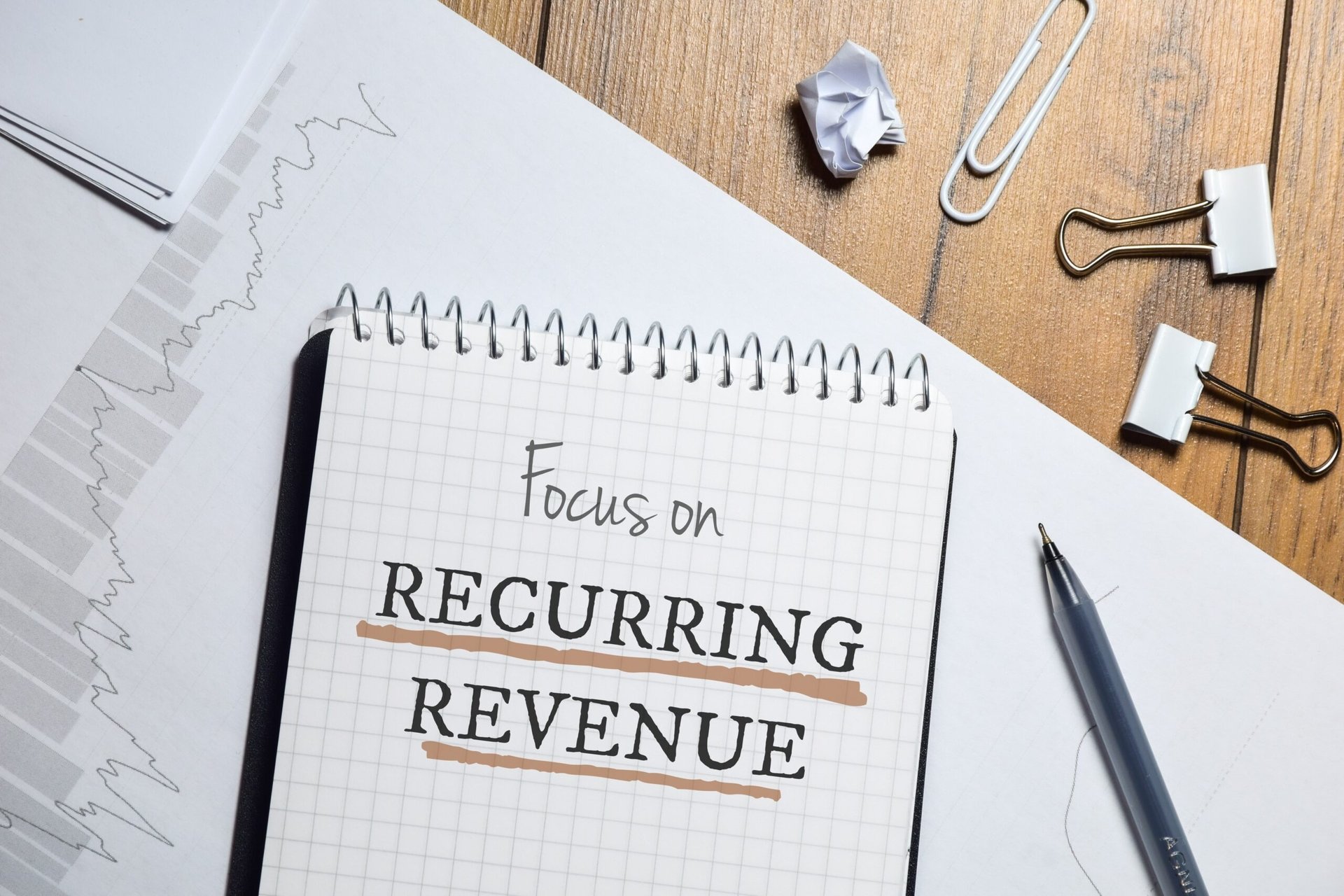
In today’s competitive business landscape, recurring revenue is the holy grail of financial stability and growth. Unlike one-time transactions, which require constant effort to attract new customers, recurring revenue ensures a steady cash flow, simplifies operations, and increases the long-term value of your company.
This article explores why recurring revenue matters, how it can transform your business, and actionable strategies to implement it effectively.
What Is Recurring Revenue?
Recurring revenue refers to consistent, predictable income generated from ongoing customer relationships rather than one-off sales. This can come in the form of:
Service contracts for regular maintenance, consulting, or support
Subscription models for software, digital services, or physical products
Membership or retainer agreements offering access to ongoing services or benefits
These arrangements improve financial predictability, enhance customer retention, and streamline day-to-day operations.
Why Recurring Revenue Matters
1. Predictable Cash Flow
Cash flow issues are one of the most common challenges for business owners. With recurring revenue, you benefit from consistent income, making it easier to manage payroll, inventory, marketing, and growth planning.
2. Higher Business Valuation
Recurring revenue reduces risk, which makes your business more attractive to potential buyers or investors. Predictable income streams often result in higher valuations and increased buyer interest during a sale.
3. Enhanced Customer Loyalty
Customers engaged in ongoing service plans or subscriptions are less likely to switch to a competitor. These arrangements build trust and long-term relationships that drive retention.
4. Reduced Marketing Costs
Maintaining existing customers is significantly cheaper than constantly acquiring new ones. A base of recurring clients decreases your marketing spend while increasing the lifetime value of each customer.
5. Easier Workforce and Resource Planning
With predictable demand, it’s easier to manage staffing levels, inventory, and capacity planning. This leads to more efficient operations and better customer service.
How to Build Recurring Revenue in Your Business
1. Develop Value-Based Subscription or Service Models
Create tiered packages or plans that offer real value. Whether you're providing IT support, consulting, cleaning, or education services, recurring models should solve ongoing needs and deliver convenience.
2. Offer Incentives to Encourage Sign-Ups
Promote recurring plans by offering benefits like discounted pricing, priority service, or exclusive access to premium features or support.
3. Use Technology to Streamline Billing and Communication
Automated invoicing, credit card billing, and customer portals make recurring transactions easy and reduce administrative overhead. Ensure your billing process is transparent and user-friendly.
4. Upsell to Existing Customers
One of the best opportunities for recurring revenue is through your current customer base. After delivering a one-time service, follow up with a tailored offer for an ongoing service or support plan.
5. Promote Recurring Offers Through Marketing
Highlight recurring options on your website, through email campaigns, and in sales conversations. Case studies, testimonials, and ROI comparisons can help convey the value of a long-term relationship.
6. Refine and Improve Offerings Based on Feedback
Track metrics like renewal rates, churn, and customer satisfaction. Use feedback to adjust your pricing, packages, or service delivery to ensure your offerings remain attractive and competitive.
Case Study: The Power of Predictable Income
Consider a consulting business that transitioned from hourly billing to monthly retainer agreements. The shift stabilized revenue, reduced the need for constant client prospecting, and made cash flow more predictable. Over time, the company grew by focusing on long-term client relationships, and when it came time to sell, buyers were willing to pay a premium for the dependable revenue base.
Common Challenges (and How to Address Them)
High Churn Rates: Focus on delivering exceptional value and customer service. Clear communication, proactive support, and regular engagement help improve retention.
Underpricing: Ensure that your recurring offerings are priced to reflect the time, resources, and value provided. Don't fall into the trap of offering too much for too little.
Operational Capacity: As recurring demand grows, ensure your team and systems can handle the increased workload without sacrificing quality.
Conclusion
Recurring revenue is more than just a financial strategy, it’s a foundation for business growth, resilience, and higher enterprise value. By shifting your focus from one-time transactions to long-term customer relationships, you gain predictability, build trust, and create a business that’s more attractive to buyers and investors alike.
Whether you're planning to scale your company or prepare it for sale, implementing a recurring revenue model is one of the smartest decisions you can make.
If you're ready to explore how recurring revenue can enhance your business, or if you're considering a future sale, contact us today. We’ll help you identify opportunities, build value, and guide you toward long-term success.
BlackOak Business Advisors
simon@blackoakadvisors.com
(407) 989-6893
© 2026. All rights reserved.