
What's In A Name?
Why A Strong Business Brand Matters
4 min read

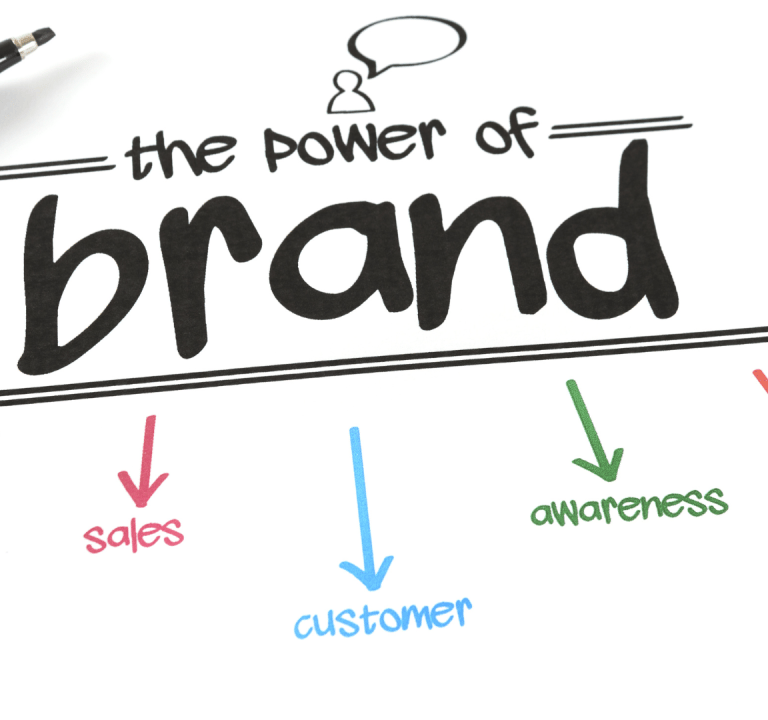
When business owners begin preparing to sell, the focus often turns to financials, customer contracts, and physical assets like equipment or inventory. While those are critical components, one often-overlooked but highly valuable asset is the brand itself. A strong, well-recognized brand can significantly impact the sale price of your business, making it more appealing to buyers and positioning it as a premium acquisition.
Branding is more than just a memorable logo or catchy slogan. It's the reputation, trust, and emotional connection your business has cultivated with customers over the years. Buyers are looking for companies that stand out, enjoy customer loyalty, and maintain a strong presence both online and offline. If your business has a well-established brand, you hold a distinct advantage at the negotiating table.
What Makes a Strong Brand?
A strong brand is built on several key elements, starting with recognition. When customers think about your type of service or product, does your business name come to mind? A recognizable business with a positive reputation tends to generate more referrals, higher retention rates, and consistent demand, qualities buyers greatly value.
At the core of brand strength is trust and credibility. Customers aren’t just buying a product or service; they're buying confidence in a company that consistently delivers. If your business has a reputation for reliability, professionalism, and customer satisfaction, it's far more attractive to prospective buyers.
Your online presence plays a significant role, too. Consumers rely heavily on search engines, reviews, and social media to evaluate businesses. A company with positive Google reviews, a professional website, and engaged social channels is more likely to continue attracting customers post-sale. This digital footprint is a clear signal to buyers that your brand is strong and sustainable.
Customer loyalty and referrals are also key indicators. If your business consistently brings in repeat business and thrives on word-of-mouth, that loyalty translates into stable, predictable revenue, something every buyer seeks.
How Branding Increases Business Value
A well-known and trusted brand can command a premium price in the marketplace. Buyers aren’t just analyzing cash flow, they’re assessing risk. A company with a weak brand poses more risk because it may require significant effort and expense to attract new customers. A strong brand, however, provides built-in marketing value and trust equity that reduces buyer uncertainty.
Strong brands also reduce dependence on paid advertising. If your business generates leads through organic search, referrals, and long-standing relationships, buyers see that as a cost-saving advantage. Lower customer acquisition costs mean higher margins and greater long-term profitability.
Additionally, strong branding eases the transition. If the company is known for delivering consistent service or high-quality products, new ownership doesn’t have to rebuild trust from scratch. The business will continue to generate leads and retain clients based on its brand reputation, not just the outgoing owner's personal involvement.
Steps to Strengthen Your Brand Before Selling
If you're planning to sell your business in the next year or two, investing in your brand now can significantly increase your company’s value and marketability. Here are a few ways to get started:
Enhance your online presence. Make sure your website is modern, mobile-friendly, and optimized for search engines. An outdated or unprofessional site can undermine buyer confidence.
Focus on customer reviews. Develop a system for consistently gathering and responding to online reviews on platforms like Google, Yelp, or industry-specific sites. Positive reviews are public proof of your brand’s value.
Standardize your brand identity. Ensure consistency across your digital platforms, printed materials, signage, and customer communications. If your brand image is inconsistent or outdated, consider a refresh to align with current market expectations.
Build a brand independent of the owner. Buyers are cautious about businesses where the identity is too closely tied to a single person. Shift the emphasis to your team, your service standards, and your company values to make the brand transferable.
Document your brand and marketing strategy. Provide a clear record of your branding efforts, customer acquisition strategies, and marketing channels. This will make it easier for a new owner to replicate and scale your success.
What Buyers Look for in a Brand
Buyers will evaluate your business's brand strength just as closely as its balance sheet. They’ll consider:
Market recognition and reputation
Consistency in brand presentation and messaging
Loyal customer base and referral volume
Online presence, reviews, and rankings
Scalability of the brand across locations or product lines
Lead generation channels and marketing ROI
A buyer sees value in a business that’s already trusted, well-known, and positioned for growth. The easier it is to maintain and scale the brand post-acquisition, the more confident a buyer will be in the deal, and the more they’ll be willing to pay.
Final Thoughts
Your business is more than a collection of assets and earnings; it's a brand that customers trust and recognize. A strong brand helps reduce buyer risk, attract higher offers, and make for a smoother post-sale transition.
If you're considering selling your business, now is the time to invest in your brand. By enhancing your visibility, reputation, and professionalism, you’ll not only increase your company’s appeal but also its value.
We specialize in helping business owners prepare their companies for sale and position them as premium opportunities in the marketplace.
Contact us today for a free consultation, and let’s explore how to strengthen your brand and maximize the return on your business sale.
BlackOak Business Advisors
simon@blackoakadvisors.com
(407) 989-6893
© 2026. All rights reserved.